
Ask the Pharmacist: How to Take Multiple Medications Safely
September 1, 2026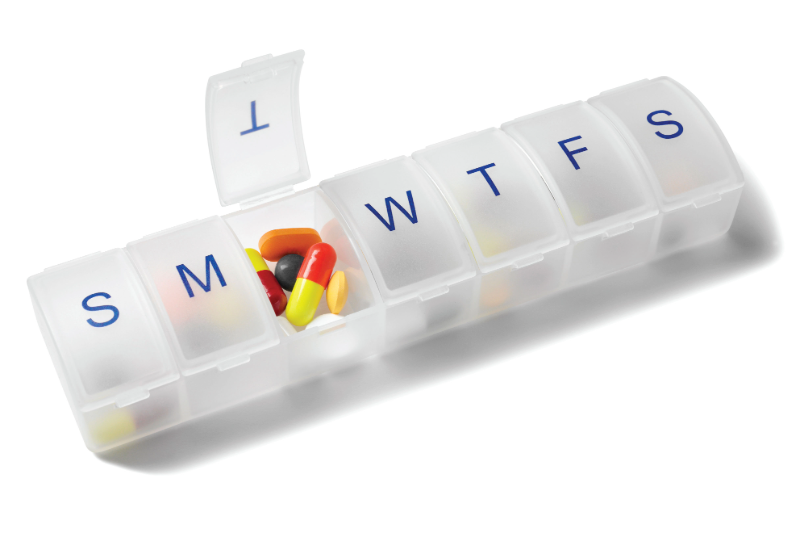
As we age, it's common to take several medications to manage different health conditions. While these medications can improve health and quality of life, taking multiple prescriptions, over-the-counter products and supplements can increase the risk of medication errors, side effects and drug interactions. A pharmacist can be one of your best, and most accessible, resources for staying safe and getting the most benefit from your medications.
Let's hear from Anna McGhee, PharmD, Director of Pharmacy.

Q: What are drug interactions, and why should I be concerned?
A: Drug interactions occur when one medication affects how another medication works. Interactions can also happen between prescription medications, over-the-counter medications, herbal supplements, vitamins and/or certain foods and beverages.
For example, some medications should not be taken with grapefruit juice, while others may increase bleeding risk when combined with common pain relievers. In some cases, interactions can reduce treatment effectiveness or increase the likelihood of side effects.
Q: How can I reduce my risk of medication problems?
A: Here are several simple but effective strategies:
Keep an updated medication list
Maintain a list of all:
- Prescription medications
- Over-the-counter drugs
- Vitamins and supplements
Bring this list to every medical appointment and pharmacy visit and be sure to include the full name of each product. Your health care providers need a complete picture of everything you take to help identify potential risks; this includes drugs and supplements you can access without a prescription. You may use the perforated medication card included in this section.
Use one pharmacy when possible
Filling prescriptions at the same pharmacy allows your pharmacist to review your complete medication profile and identify potential interactions.
Take medication as directed
Follow dosing instructions carefully and avoid changing doses or stopping medications without consulting your health care provider.
Use a pill organizer
Weekly pill organizers can help you keep track of medications and reduce missed or duplicate doses.
Set reminders
Alarms, smartphone reminders, calendars or medication management apps can help you stay on schedule.
Q: What is a medication review?
A: A medication review is a comprehensive discussion between you and your provider to evaluate all your medications. During the review, your provider may:
- Check for duplicate therapies
- Identify potential drug interactions
- Review proper dosing
- Discuss side effects
- Answer medication-related questions
- Recommend ways to simplify your medication routine
Medication reviews are especially valuable after a hospital stay, when seeing new specialists or whenever medications change. You can request a medication review with your local community pharmacist or provider at any time.
Qualifying members of Trinity Health Plan of Michigan may be contacted by a representative of our plan to complete an annual comprehensive medication review as a part of our Medication Therapy Management program. More information can be found on our website: Thpmedicare Medication Therapy Management.
Q: What is the most important advice pharmacists give patients who take multiple medications?
A: Communication is key. Keep an accurate, complete and up-to-date medication list. This information is invaluable to your health care providers when making important decisions about your health care needs and can reduce the risk of harmful medication-related problems. It is also important to take medications exactly as prescribed and ask questions whenever something is unclear.