
Staying Steady and Strong During the Summer: Physical Activity and Fall Safety
July 24, 2026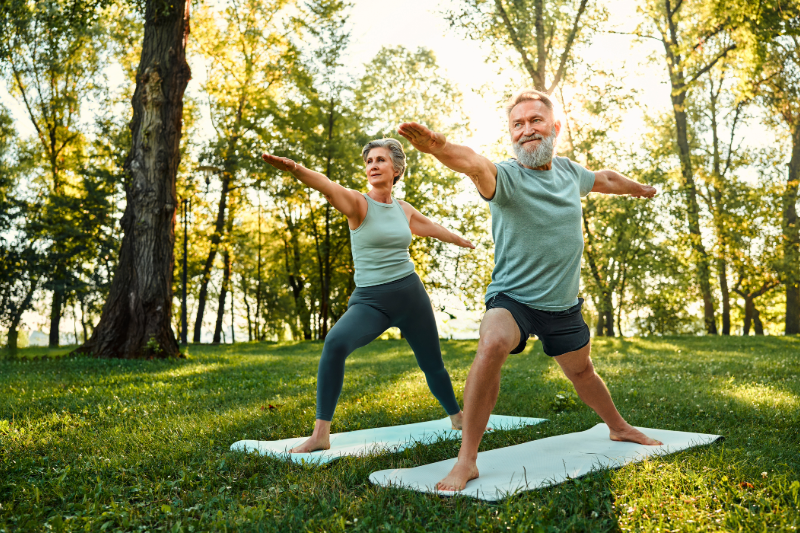
Summertime brings longer days and warmer weather; it is one of the best seasons of the year to get outside for your daily dose of Vitamin D and be active. From walking, dancing, yoga, Pilates, tai chi, bike riding, hiking, swimming and more, summer offers a variety of ways to stay engaged — whether on your own or alongside others. Many people find these activities even more enjoyable when shared with neighbors, friends, or a local community organization.
Why Staying Active Matters as We Age
As we grow older, staying active becomes about more than exercise alone. Physical activity plays an important role in supporting strength, balance, and endurance, which help us move with greater confidence and maintain independence. These elements also influence how steady and comfortable we feel while participating in everyday activities, especially as routines shift and activity levels increase during the summer months.
By focusing on movement that supports stability and confidence, it becomes easier to enjoy seasonal activities safely and comfortably — while still staying connected to the people, places, and experiences that make summer enjoyable.
Understanding Fall Risk During Physical Activity
Age-related balance changes, muscle weakness and vision problems can increase the risk of falling, especially during physical activity. After midlife, muscle mass can decrease by about 1% per year and can lead to as much as a 50% loss by the time some individuals reach 80 years old.1 Even minor falls can lead to major injuries, such as head trauma and broken bones.
It is important to both prevent or lessen your risk of falling during physical activity, whether outdoors or indoors, and focus on activities that can help build strength, balance and cardio endurance, thus reducing the risk of falling.
How to Stay Safe When Exercising
Here are some simple steps you can take to stay strong, steady and balanced while hitting your daily exercise goals and having fun while doing so:
Incorporate Low-Impact Activities
Walking, yoga, Pilates and tai chi help boost stability and balance. Swimming and cycling also incorporate strength training since you are supporting your own body.
Wear Correct Footwear
One of the best ways to prevent falling while exercising is to always wear the appropriate footwear for the occasion and your needs. Your shoes should be comfortable and supportive but not prone to make you trip or slide. Speak with your provider about potentially seeking a podiatrist or specialty shoe store for assistance in finding which shoe is best for you. Consult Chapter 4 of your EOC for your health plan to learn about our podiatry services.
Practice Simple, Consistent Exercises
Every day, practice chair stands, heel raises and single leg stands. These exercises not only help you stay active; they help you maintain critical daily levels of mobility and flexibility as you age. At-home strengthening can then help you with more rigorous activities.
Know Your Body
Pay attention to your bodily cues and know your limits. If you are just getting back into exercise after a prolonged period of inactivity, take it slow; it is best to inform your provider before you do so and strategize about the best activities for you. If you find yourself growing weak or dizzy, stop and rest. Remember to move with control rather than speed.
Utilize Props and Tools
Use resistance bands and exercise balls for an added challenge. Adjustable dumbbells, recumbent bikes and under-desk ellipticals while sitting are also great pieces of equipment for strength training. If you’re hiking or walking on uneven terrain, use trekking poles for balance.
Staying Active Within Your Community
A great way to be active within community is through One Pass®, our health plan’s fitness membership, which gives you access to a large network of gyms, fitness locations and studios, including popular places like most YMCA locations, 24 Hour Fitness, Life Time, LA Fitness, Anytime Fitness, Club Pilates and many more, as well as Grouper, a social tool within One Pass that connects you to people with similar interests to build friendships and enhance your overall wellness.
Getting Started With One Pass
To start using One Pass, visit their website to get your One Pass Member Code using your name and date of birth, then create your account by entering your details and health plan member ID. Once set up, you can search the site to find participating gyms, fitness studios and classes near you, along with online workouts and wellness resources. If you need help at any point, One Pass Member Services is available at 877-504-6830. Check out our Fitness Membership page for more detailed instructions on how to register.
Enjoy an Active Summer With Confidence
Exercise doesn’t need to be feared; there are many simple ways to maximize your strength, stability and balance to reduce the risk of falling so that you can enjoy yourself and live an active lifestyle.