Hypertension in Older Adults and How to Manage
March 16, 2026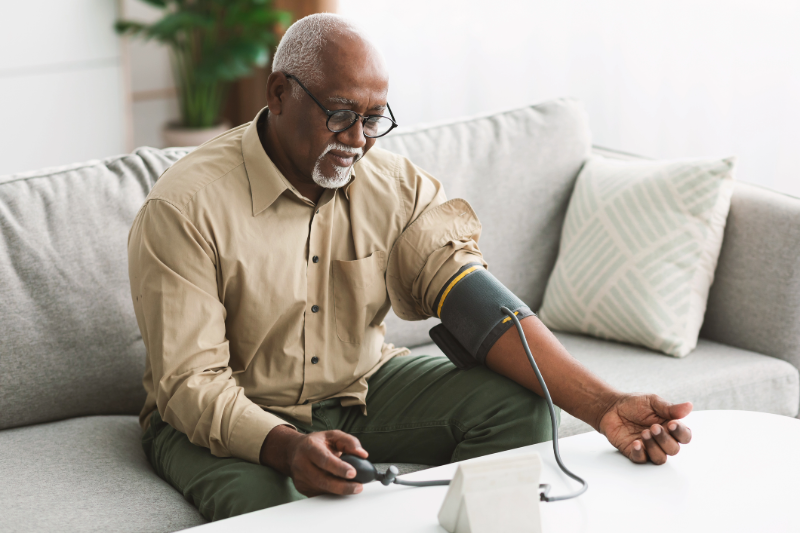
Hypertension, otherwise known as high blood pressure, is a common health problem in older adults. It is often linked with diabetes and can occur in conjunction with intense stress and anxiety.
This is due to the body’s vascular system changing as one gets older. Arteries stiffen and no longer work as efficiently as they once used to, leading to increased blood pressure. This can happen even to those individuals who seem to be healthy and active with little to no symptoms, leading to hypertension’s “silent killer” nickname. It can affect anyone, though some individuals, such as men over the age of 55, African Americans and those with family history, are the greatest at risk.
Hypertension, if not controlled, can lead to other health issues, such as heart disease, kidney disease, strokes and a host of other conditions. The good news is that for most individuals, even older adults, hypertension can be effectively managed.
Since hypertension often has no signs or symptoms, it is critically important to have your blood pressure checked through your provider or self-monitor your blood pressure at home (if your doctor notices a consistent trend of high numbers). Your provider will then help you determine the best course of action for your lifestyle and unique situation.
Target Blood Pressure Numbers
These numbers apply to both adults and adolescents age 13 and older:
- Systolic (top number): less than 120 mm Hg and
- Diastolic (bottom number): less than 80 mm Hg
How is Hypertension Connected to Diabetes?
High blood pressure is twice as likely to strike a person with diabetes than a person without diabetes. In fact, a person with diabetes and high blood pressure is four times as likely to develop heart disease compared to someone who does not have either of the conditions. About two-thirds of adults with diabetes have high blood pressure or use prescription medications for hypertension.1
How Can Stress Lead to Hypertension?
The body releases a surge of hormones when under stress. These hormones cause the heart to beat faster and the blood vessels to narrow. These actions increase blood pressure for a time. While there is no proof that stress by itself causes long-term hypertension, reacting to stress in unhealthy ways can raise blood pressure and increase the risk of heart attack and stroke.2
How Can I Control Hypertension?
- Adopt Daily Lifestyle Habits and Ongoing Evaluations
- Hypertension is best managed when daily practices are put into place and ongoing evaluations occur with your provider. Management is not a “one and done” situation. Continual discussions are especially important if you have other health conditions, such as diabetes. Check out Chapter 4 of your EOC for your health plan to learn more about diabetic self-management training and diabetic services and supplies available to you.
- Maintain Healthy Weight
- Ask your provider if you are currently at a healthy weight and discuss solutions if not. Being overweight increases your chances of hypertension.
- Engage in Moderate Exercise
- Speak with your doctor first about safe exercises, especially if you are currently inactive. Aim for at least 2.5 hours of moderate exercise per week, such as brisk walking or swimming. Check out One Pass, your fitness membership included as part of your plan, for access to popular fitness centers across the country, online workouts and in-person group exercise activities through Grouper.
- Eat a Heart-Healthy Diet
- Cut down on salt, alcohol and sugar. Eat a balanced diet of vegetables, fruits, grains, protein, dairy and oils—or follow the DASH diet (Dietary Approaches to Stop Hypertension).
- Prioritize Sleep
- Aim for 7-9 hours of quality sleep every night. If you notice yourself snoring or seem to stop breathing for a few moments in the night, reach out to your provider to discuss sleep apnea, which can lead to increased blood pressure.
- Stop Smoking
- You’re never too old to quit smoking. For assistance or strategies, speak to your healthcare provider. Consult Chapter 4 of your EOC for your health plan to learn more about smoking and tobacco cessation counseling.
- Reduce Stress
- Be mindful of your emotions and try to reduce stressors in your life as much as possible. Reduce screentime, spend time in nature or engaging in hobbies and try to cultivate community and friendships. If you find yourself struggling to manage your stress, speak to your provider; they can refer you to a mental health professional or organization.
Notes
1 Diabetes and High Blood Pressure | Johns Hopkins Medicine
2 Stress and high blood pressure: What's the connection? - Mayo Clinic