
Living Fully with Diabetes: Management Tips for 65+
March 5, 2026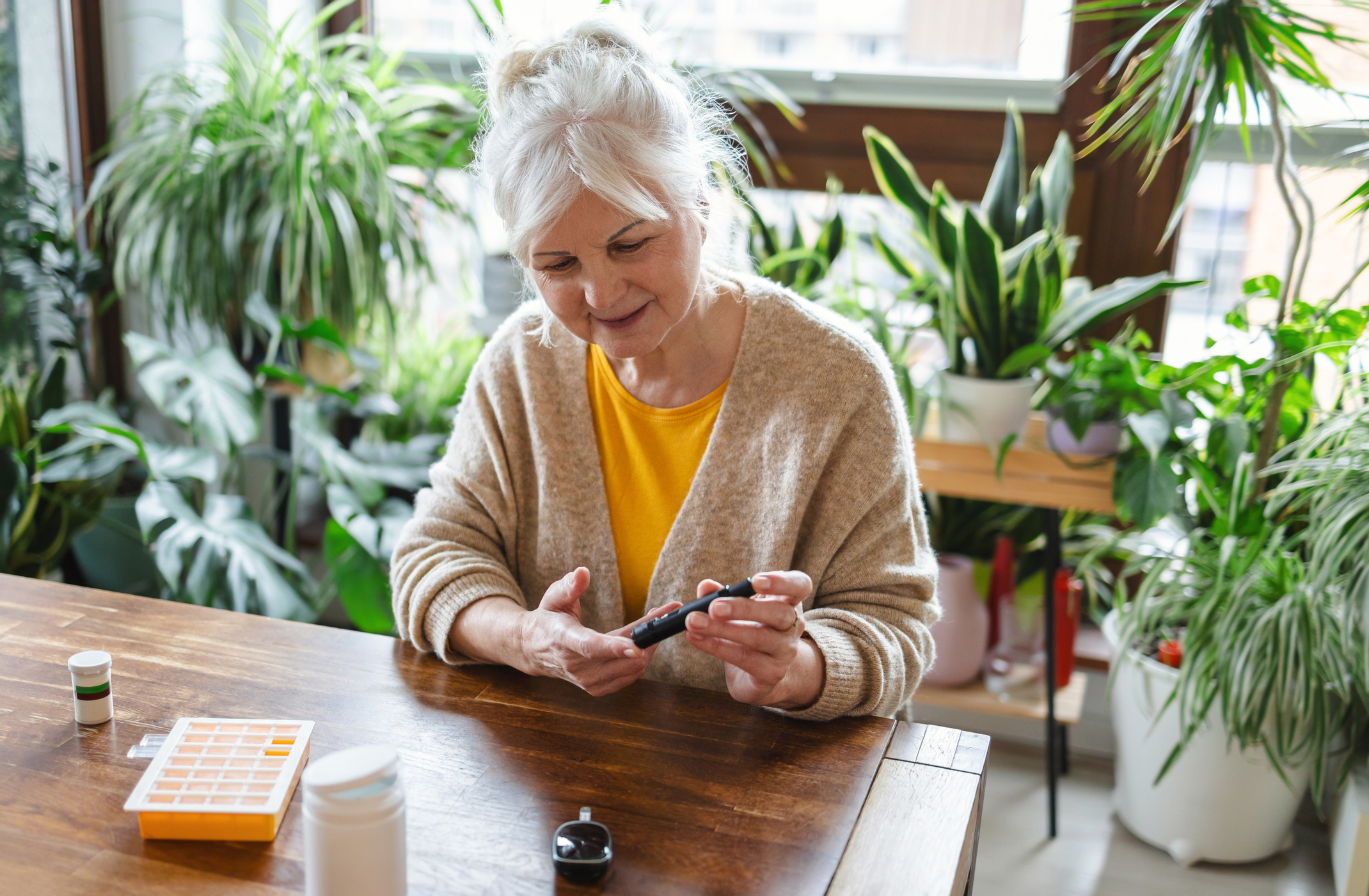
Today, nearly one in three American adults ages 65 and older have diabetes. Living with diabetes can affect many areas of life—physically, emotionally, mentally and socially—and can lead to additional health complications if not managed properly.
However, it is possible to take control of your well-being while living with diabetes and even overcome many of the physical and emotional complications often associated with the condition.
Taking steps every single day to manage your diabetes will help reduce your risk of developing complications as you age and maintain a better quality of life.
Here are four important things you can do that can make a difference:
-
Work closely with your care team.
Together, you can determine what your targeted blood glucose levels should be and your best course of treatment. Whenever you have questions or notice any changes, discuss them with your primary care provider and other members of your care team. You can address issues more quickly by doing so and potentially prevent more serious problems from occurring.Our health plan’s 24/7 Nurse Advice Line and Annual Wellness Visit (AWV) are great first steps in this direction.This can also include the following:- A1C Testing – Measures average blood sugar over the past two to three months to help evaluate diabetes management, including diet, exercise and medication. A1C is usually considered a lab service.
- KED Testing – Analyzes kidney function. Clinical guidelines recommend routine KED testing to prevent chronic kidney disease through early detection. KED testing is also usually considered a lab service.
- Eye and Foot Exams – Routine exams can help reduce the likelihood of complications such as diabetic retinopathy or neuropathy. These would be considered specialist services.
- Diabetes Self‑Management Training, Diabetic Services and Supplies – Supplies to monitor your blood glucose (e.g., specific monitors and test strips) and, for those with severe diabetic foot disease, certain shoes, inserts and fitting appointments. Additionally, diabetes self‑management training is covered under certain conditions.
- Medical Nutrition Therapy – For members with diabetes, certain hours of nutrition counseling are covered. A physician must prescribe this service and renew each year.
For all three of the tests/exams above, as well as additional information on training and therapy, go to Chapter 4 of your Evidence of Coverage. -
Take your medicine regularly.
It’s important to take all your medicine exactly as your doctor prescribes. Here are some ways to do that:- Use one pharmacy for all your medicines.
- Use a pill organizer to make sure you take your correct medication every day.
- Set a reminder, such as an alarm on your cell phone or smartwatch, so you know when it’s time to take your medicine.
- Keep a current list of all the medicines you take—prescriptions, over‑the‑counter medications and supplements. Update the list any time your medicines change and bring it with you whenever you meet with your primary care provider or care team.
-
Eat a healthy diet.
Focus on a healthy, well‑balanced diet that provides your body with the nutrition it needs and helps you manage your weight.The American Diabetes Association recommends using a tool called “Create Your Plate”:- Divide your plate into three sections: half the plate and two quarters.
- Fill the largest section with a non‑starchy vegetable (e.g., salad, broccoli, carrots, tomatoes).
- Fill one smaller section with a starchy food (e.g., pasta, rice, potatoes).
- Fill the other smaller section with a protein (e.g., skinless chicken or turkey, fish, lean meat, tofu, eggs, low‑fat cheese).
- Drink water instead of sugary beverages as much as possible.
-
Get plenty of physical movement.
Exercise offers many benefits for managing diabetes:- Boosts energy
- Controls blood pressure
- Improves glucose levels
- Lowers cholesterol levels
- Reduces risk for heart disease and stroke
Aim for thirty minutes of aerobic exercise at least five times per week, such as walking, bike riding, playing tennis or pickleball, and gardening.Check out our health plan’s One Pass fitness membership to access thousands of gyms across the country and online, on‑demand workout videos. -
Be patient with yourself.
Healthy habits take time to build. Begin with one small habit—such as a daily 30‑minute walk or swapping soda for water during meals—and then add others. Consistency is key. Consider joining a support group or setting goals with friends to help you stay on track.